The suitcase is packed. The flight’s booked. And then it hits you at eleven at night: who’s giving Bailey her pills? Not just once, but twice a day, every day, exactly on schedule, for the entire week you’re gone.
It’s the thought that keeps medicated dog owners up at night, and honestly? It’s a completely fair worry.
Here’s the reassuring part. This isn’t unusual at all. A huge share of boarding guests are on something, such as arthritis pills, allergy meds, thyroid tablets, eye drops, and daily heart medication.
Dog boarding staff handle it constantly, week in and week out. So let’s pull back the curtain on how a real dog boarding facility actually manages medication while you’re away, and exactly what you need to do to make it airtight.
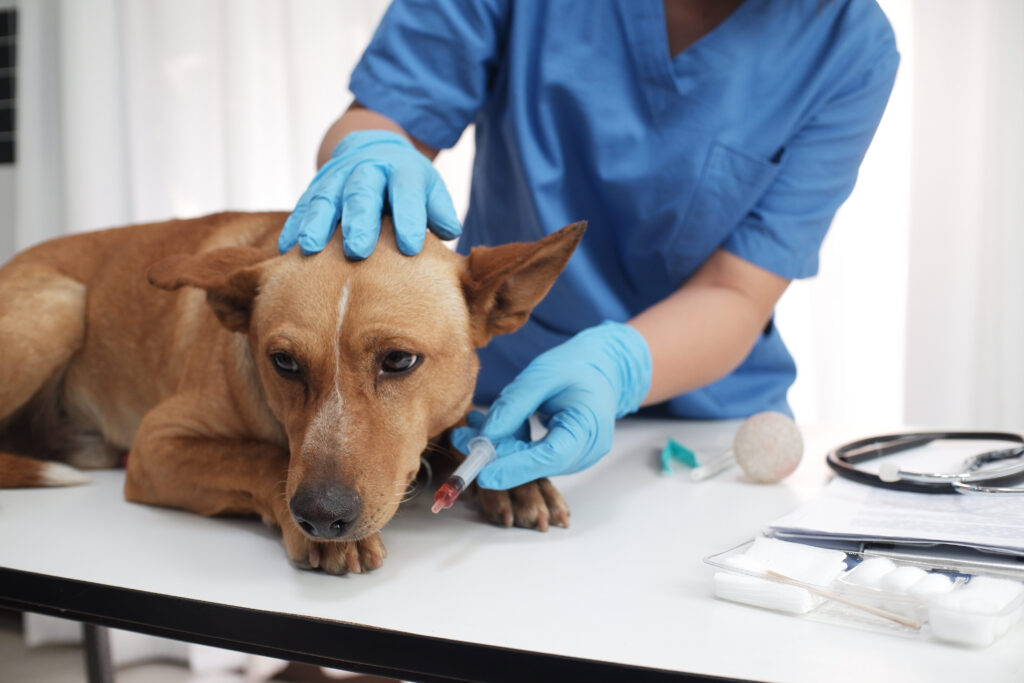
Does Your Dog Need Medication?
What Actually Happens Behind the Scenes
Two questions really matter here. Can they physically do it? And do they have a system that guarantees it happens right every single time? Capability and consistency. In dog boarding, you need both, and one without the other is honestly worthless.
Yes, They Can Almost Always Do It
Giving medication is a routine part of dog boarding, not some strange, exotic favor you’re asking for. Pills, liquids, powders, topical creams, ear drops, eye drops, it all slots into the normal daily rhythm right alongside meals, walks, and playtime. Staff do it before breakfast and after dinner without blinking, the same way they’ve done it a thousand times before.
But here’s where honesty beats sales talk. Capabilities genuinely vary from one place to the next. Some facilities handle injections like insulin. Others simply cannot, and they’ll tell you so straight. A dog with unstable diabetes, active seizures, or a condition that requires close monitoring may need specific arrangements worked out well in advance, or, in some cases, a veterinary boarding setup instead of a standard kennel.
The System That Keeps It Straight
Now the part nobody sees. Good dog boarding facilities don’t run medication on memory or good intentions. They run it on a system because memory fails and systems don’t.
Storage and Labels
Everything starts with how the meds are kept:
- Original containers only, with the label fully intact, so the drug name, the dose, and your dog’s name stay legible.
- Stored securely and separated by a dog, so nothing from one guest can ever wander toward another.
- Refrigerate when the label says so, and keep at room temperature when it doesn’t.
The FDA specifically recommends keeping pet medications in their original labeled containers and storing them securely, and that advice matters even more in a building caring for a dozen dogs at once. A loose pill rattling around in a plastic baggie is a mix-up quietly waiting to happen. A labeled bottle isn’t.
Schedules and Logs
Then comes the timing, which is where a real dog boarding operation earns its trust:
- A written dosing schedule, usually anchored to feeding times so it never gets forgotten.
- A log, initialed as each dose goes out, so nothing gets missed or accidentally doubled at shift change.
- Staff eyes on your dog afterward, watching how she responds and how she’s eating.
That log is quietly the most important piece of paper in the building. It’s what makes sure that when the morning person swears they gave the pill and the afternoon person isn’t certain, nobody guesses. They look. And if something seems off, appetite gone, energy flat, a reaction they weren’t expecting, they call your veterinarian, and they call you. In that order, or both at once, depending on urgency.
Your Half of the Job
Here’s the thing, though. Even the best dog boarding system in the world only works with what you hand them at drop-off. The staff can’t follow instructions they were never given, and they can’t guess your dog’s history. Your half matters just as much as theirs.
What to Bring and What to Ask
Show up prepared, and the whole stay gets easier. Come with:
- Every medication in its original, clearly labeled container.
- Written instructions spelling out the exact dose, the timing, and the method.
- Your tricks, the peanut butter, the cheese, the pill pocket, the specific angle that works.
- Your vet’s name and number, plus written authorization for emergency treatment.
- Enough medication for the entire stay, and then a bit extra for a delayed flight.
Frequently Asked Questions
Can a boarding facility really give my dog daily medication?
Usually, yes, and it’s about as common a request as they get. Pills, liquids, topicals, ear drops, eye drops, staff work them all into the normal daily routine without any drama at all. But capabilities genuinely do vary, especially around injections like insulin or truly complex medical needs, so confirm it before you book anything. Ask exactly what they can administer, and be completely upfront about your dog’s whole medication list from the very start.
How should I package the medication?
Original container, label fully intact. The drug name, the dose, and your dog’s name all need to be clearly readable at a single glance. Add written instructions covering the amount, timing, and method, then pack enough for the full stay plus a little extra in case your flight is delayed. And never dump several different medications into one unlabeled bottle or baggie, ever.
What if my dog refuses the pill?
Tell them your tricks up front. Peanut butter, cheese, a pill pocket, whatever specific move works at home. Experienced staff have wrestled with just about every stubborn dog imaginable and usually keep a few tactics of their own in reserve. If your dog keeps refusing a dose, a good facility calls you and your veterinarian instead of quietly guessing at some workaround on their own.
Should I change the medication before boarding?
No, never on your own. Don’t stop, start, or adjust a dose without talking to your veterinarian first, even if you’re convinced the stay would run smoother that way. Worried about how a medication might land while she’s away from home? Raise it with your vet, then hand their guidance straight to the facility. Contact Us any time to talk through your dog’s needs.