You’re about to hand your dog to a stranger, a kind, trained stranger, sure, but still. They’re in control for a couple of days, which brings to a head the calm before the storm. Your dog boarding facility will be able to provide better care for your pup the more they know about your pup.
Think of it as a briefing. Each quirk, each habit, each health tidbit you share helps the staff do exactly what you would do at home to care for your dog. So let’s cover what actually matters most.
The Details That Keep Your Dog Safe
Start with the essentials. What you need that will keep your dog safe and healthy while you’re gone. A dog boarding facility is usually very hectic and would take care of many pooches concurrently, which is why you must make notes for them to attend to your pup. Here are two large buckets.
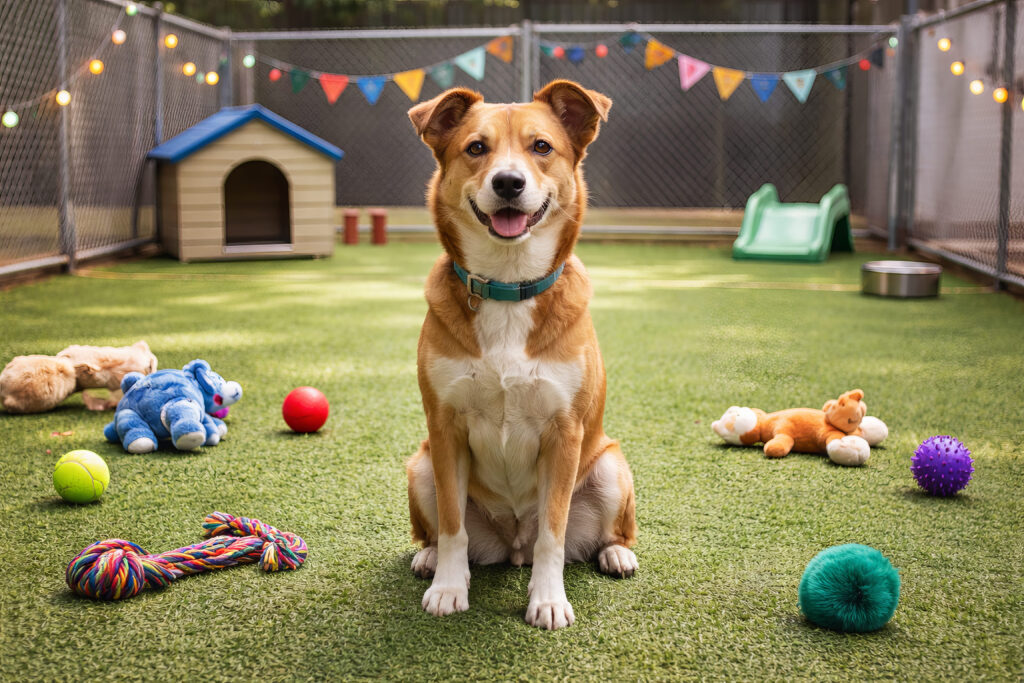
Dog Boarding in Howell, NJ
Health, Meds, and the Vet
This one’s not optional. A dog boarding facility needs the full health picture, and fast, if anything ever goes sideways. So hand it over. Up-to-date vaccination records, which nearly every place requires right at the door. Any conditions, from achy joints to a touchy stomach to allergies. Medications, spelled out clearly, the dose, the timing, the trick for actually getting it down. And your vet’s name and number, just in case the unexpected happens. None of it is busywork. It’s the whole difference between a staffer guessing and a staffer knowing. The AKC says to confirm the vaccines and records before you ever book.
Food and the Daily Routine
Dogs run on routine. Mess with it, and stomachs revolt. Food’s a huge piece of that, so the specifics count for a whole lot.
What Goes in the Bowl
The what:
- The exact food your dog eats, and whether you’re packing your own for the stay.
- Treats and supplements, plus the hard nos, anything they cannot have.
When and How Much
The when:
- The full feeding schedule, morning and night, however, your dog likes to eat.
- Portion sizes, and exactly how many meals should land in a single day.
Keep the meals steady, and your dog feels at home, energy level even, belly happy, mood settled. Change it all at once: new food, new times, new place? That’s usually how the trouble starts, and nobody wants a queasy dog far from home.
The Dog Behind the Name
Papers and portions only go so far. Your dog boarding facility also needs to know who your dog actually is. The personality. The panic buttons. The little comforts. The people to call in a pinch.
This is the part that turns a boarding stay from merely fine into genuinely great.
Behavior, Fears, and Who to Call
Be honest here, even about the messy parts. Is your dog shy or a total social butterfly? Cool with other dogs, or not so much? Terrified of thunder, fireworks, or a closed door? Say so. The staff can only smooth a stay they actually understand. The same goes for the safety net, your number, a solid backup contact for when you’re off the grid, and your vet’s info with the okay for emergency care. Lay all that out, and a good dog boarding facility moves fast and calm when it truly counts, and you relax knowing they can. Share it all, and they treat your pup like one of their own. A little honesty up front is the entire game. Ready to plan the stay? Contact Highland Kennel, and we’ll walk you through every single step.
Frequently Asked Questions
Which vaccines does my dog need before boarding?
The core ones, the shots that protect every single guest in the place. Typically, Rabies, Distemper, Parvo and Bordetella (Kennel cough). The exact regulations may differ slightly from place to place, so check the list if you need an update, and update it at least two weeks in advance to allow immunity to take full effect. Then take the printed documents to check in, and you’re ready for a hassle-free process.
My dog’s on daily meds. Is that a problem?
Rarely, and honestly, it’s a really common ask. Good facilities will do exactly what you tell them to, as long as it is clear and documented somewhere noticeable. The amount, time, and how to ease a stubborn dog to take it, and the trick! Mark everything clearly and allow for the length of the stay, in case of last-minute changes.
Should I flag my dog’s anxiety?
Please do, every single time. The less the staff knows beforehand, the gentler and less apprehensive they will be about helping push your dog through it. Call out the fear, triggers, separation worries and little nervous habits no one else would notice. Hiding them makes the lives and days of everyone involved more difficult and stressful. Just informed, the Staff can make plans from hour one for the patient, quiet and comfort, rather than scrambling at a later hour.
What do I actually need to bring?
Food. All medication and feeding information. Vaccination records. Perhaps a blanket or a home-smelling favorite item, such as a toy or a stuffed animal; a familiar scent can make the transition easier. However, don’t go overboard, as many good locations already have comfortable bedding and clean bowls. Looking for a complete checklist that is tailored specifically to your dog? Just reach out before the stay, and we will work things out.