Leaving your dog somewhere overnight is hard. Even when you know the facility is good, even when the staff is kind and the kennels are clean, there’s still that moment at drop-off where your dog looks at you like, where are you going? That look stays with you.
The least you can do in that moment is know your dog is protected. Not just by the people watching them, but by the shots that keep them from getting sick in the first place.
Everything exists for a reason. At least, dog vaccination requirements before boarding do. When dogs from dozens of different households share the same space, the same air, and even the same water bowls, contagious diseases travel fast. A single unvaccinated dog can expose an entire kennel population to something serious. New Jersey kennels take these requirements seriously, and so should every pet owner planning ahead.
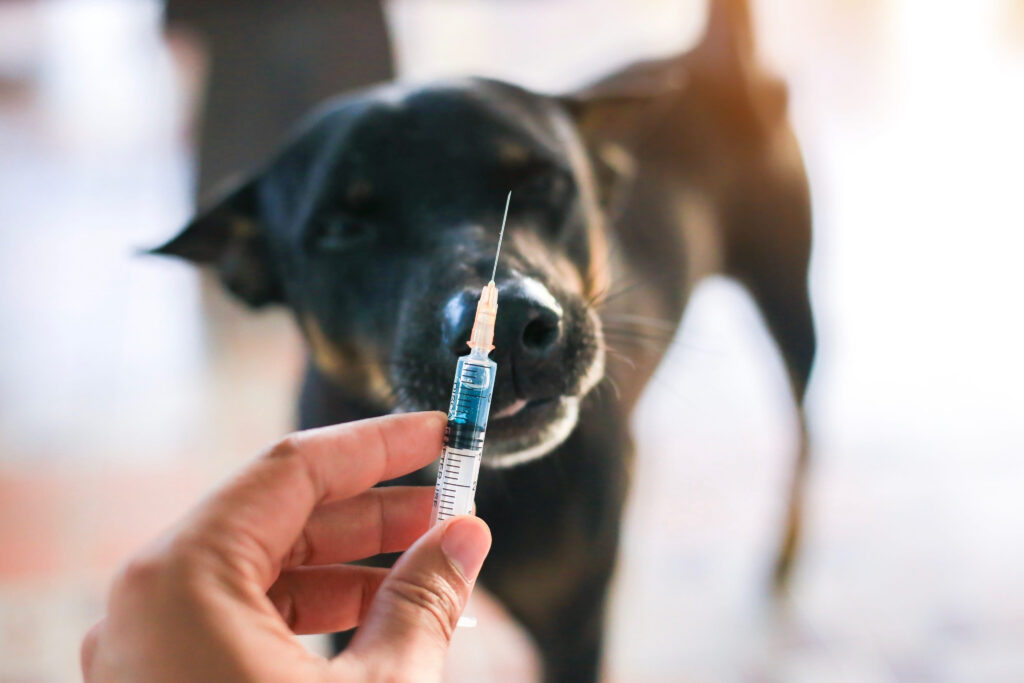
Is Your Dog Vaccinated Before Boarding?
Why Boarding Facilities Ask for Proof of Vaccination?
It’s not paperwork for the sake of paperwork. When a kennel asks for your dog’s vaccination records, they’re protecting every animal in that building, including yours. A dog incubating kennel cough, for example, may show no symptoms at drop-off. By the next morning, three other dogs on the same run are coughing.
Most kennels in New Jersey require written proof that your dog’s core vaccines are current. Verbal confirmation or a text from the vet is usually not enough. If you arrive without proper records, the kennel may refuse to admit your dog. As a result, the trip you planned around that boarding reservation gets complicated fast.
What Vaccines NJ Kennels Require Before Your Dog Boards?
Rabies
This one is non-negotiable everywhere in New Jersey and across the country. Rabies is legally required by state law, and no reputable kennel will waive it under any circumstance. It’s not just about protecting dogs from each other. Rabies is transmissible to humans, which means it’s a public health issue, not just an animal health issue.
Your dog’s rabies vaccine is typically good for one to three years depending on which version your vet administers. Keep the certificate. Boarding facilities need to see the expiration date.
If your dog has never been vaccinated for rabies, the first shot requires a booster one year later before switching to the longer renewal cycle.
DHPP (Distemper Combination Vaccine)
This combination vaccine covers four serious diseases in one shot. The diseases include distemper, adenovirus (hepatitis), parvovirus, and parainfluenza. All four are highly contagious. Parvovirus, in particular, can survive on surfaces for months and has a high fatality rate in unvaccinated dogs.
The DHPP vaccine is required at virtually every boarding kennel in New Jersey. Most facilities accept it if it was given within the last one to three years, though some require annual updates. Confirm the specific window with your kennel when you book. Puppies starting their vaccine series need multiple doses spaced several weeks apart before they’re fully protected.
Bordetella (Kennel Cough)
If there’s one vaccine that is purely specific to the boarding environment, it’s this one. Bordetella bronchiseptica is the primary bacterial cause of kennel cough, a respiratory infection that spreads through airborne droplets exactly the way a cold spreads between people in a crowded room.
Dogs with kennel cough cough hard. A lot. It is alarming and greatly uncomfortable for them. Most healthy adult dogs recover, but puppies, senior dogs, and dogs with underlying conditions can develop more serious complications.
Most New Jersey kennels require it within the past six to twelve months. Some ask for it more frequently for dogs that board regularly. If your dog boards two or three times a year, talk to your vet about timing the booster to stay current.
Leptospirosis
Lepto is a bacterial infection that spreads through the urine of infected animals and contaminated standing water. It sounds like something only outdoor hunting dogs would encounter, but that’s not the case. Dogs that play in shared yards, walk in parks, or are exposed to wildlife, even indirectly, can be at risk.
New Jersey’s suburban and wooded areas have a serious lepto exposure risk. Many kennels in the state now include this vaccine in their standard requirements, particularly for dogs that spend time outdoors during their stay. Even if your specific kennel doesn’t list it as mandatory, your vet may recommend it based on where your dog spends time outside.
Vaccines That May Be Recommended Depending on the Facility

Get Your Dog Vaccines Required Before Boarding
Canine Influenza
Dog flu spreads through respiratory droplets, contaminated surfaces, and direct contact between dogs. Outbreaks happen sporadically, and when they hit a kennel environment, they spread quickly.
Not every New Jersey kennel requires the canine influenza vaccine, but more are adding it to their standard checklist, especially following regional outbreaks.
Lyme Disease
Tick exposure is a concern in New Jersey, particularly in wooded and suburban areas. If your boarding facility includes outdoor play time, trail access, or yard time in a tick-prone environment, the Lyme vaccine adds meaningful protection.
It’s not universally required by kennels, but it’s frequently recommended, especially for dogs that spend more time outside.
Keeping Your Dog Safe Is the Whole Point
There’s a reason this feels like a checklist. It is one. But each one has an actual purpose. It helps stop diseases, prevents outbreaks, and keeps all dogs in the kennel healthy.
You trust the staff to care of your dog when you leave it at a boarding facility. Strict vaccine rules mean that trust is protected. The kennel sets clear rules and does its part. Now it is your duty to show up prepared.
It’s one of the clearest ways to show your dog you thought ahead for them, even when they can’t understand it.
Ready to Board? Highland Kennel LLC Makes the Process Easy
At Highland Kennel LLC, the health of every dog in the facility is taken seriously. No compromises. The team reviews vaccination records carefully, maintains a clean environment, and gives every boarder the attention and care they deserve. If you have questions about which vaccines your dog needs before their stay or if you want to confirm current requirements before your vet appointment, reach out to Highland Kennel LLC directly.
FAQ
What if my dog’s records are at a previous vet I no longer visit?
If your dog’s records are at a previous vet that you no longer visit, contact that clinic directly. Veterinary practices are required to keep records and will provide a copy on request. Most can email them quickly.
Does my dog need vaccines even if they’ll only be boarding for one night?
Yes, your dog still needs vaccines even for a one-night stay. Dogs share the same space in boarding places, so they can still catch and spread sickness, even in a short time.
What if my dog has a medical condition and can’t receive certain vaccines?
You should talk to your vet if your dog has a medical condition and can’t receive vaccines. Some kennels accept a written medical exemption letter from a licensed veterinarian for dogs with documented health conditions that make specific vaccines unsafe. Call the facility ahead of time to ask about their exemption policy.
How long before boarding should Bordetella be given?
Bordetella vaccine should be given 5 to 7 days before boarding so your dog’s body has time to build protection. Some boarding places also ask that it be updated within the last 6 months. It’s best to check the exact rule with your kennel when you book.
Can my dog board if they’re due for vaccines but haven’t had them yet?
Your dog cannot be boarded if they’re due for vaccines but haven’t had them yet. Facilities that enforce their vaccine policies will turn away dogs without current records. Book your vet appointment before you book the kennel stay