Separation anxiety in a dog is a behavioral disorder when a dog becomes anxious and shows distress behavior because it is separated from its handler or a dependent or a person it is attached to. The dog becomes overly dependent on one person for security.
Boarding triggers anxiety because it is a sudden change in environment that disrupts routine and introduces other dogs while the owner is absent. Owners must prepare their dog before boarding by setting a consistent routine, creating a safe zone, and introducing trial stays in daycare.
A pre-boarding exercise consumes dog energy and helps it stay less anxious during boarding. The 5 methods that work best during boarding are a balanced routine, supervised socialization, mental stimulation, physical exercise, and a low-stress environment.
Does Your Dog Suffer from Separation Anxiety?
NJ pet owners should choose a boarding facility based on 5 factors such as trained staff, well-ventilated spaces, structured care, and care plans.
Why Boarding Triggers Separation Anxiety in Dogs?
The 6 reasons why boarding triggers separation anxiety in dogs are listed below.
Sudden Change in Environment
A sudden change in environment triggers anxiety in dogs. Dogs rely on familiarity, and moving them to a boarding facility is a big change for them. A new environment has different sounds (other dogs, people), new smells, and unfamiliar sleeping areas. The sudden environmental change creates confusion and insecurity due to sensory overload.
Disruption of Routine
Disruption of routine in a boarding place causes anxiety in dogs. Dogs follow a predictable schedule at home, like they have specific sleeping patterns, walk routines, and feeding time. Boarding in a well-managed facility disrupts their routine. Unpredictable routine causes dogs to feel unsettled and more alert.
Absence of the Owner
Absence of the owner is the primary trigger that causes dog anxiety in a boarding facility. Dogs form a strong emotional bond with their owners. The absence of the owner disrupts this bond. Some dogs experience a panic-like response, while others become inactive or withdrawn.
Lack of Familiar Comfort Cues
Lack of familiar comfort cues (favorite toys, owner’s scent, and bed) in a boarding facility makes a dog anxious. The new place does not have all those cues that create a sense of safety and control.
Exposure to Other Dogs and New Energy Levels
Exposing other dogs and new energy levels can cause anxiety in dogs in boarding facilities. The boarding environment includes other dogs with varied energy levels. Some dogs enjoy seeing other dogs, while others are not used to these social settings.
Once you understand why dogs become anxious in a new boarding facility, you can reduce these triggers and help the dog feel calm and at home.
How to Prepare Your Dog Before Boarding?
Follow the 6 steps listed below to prepare your dog before boarding.
- Start Gradual Separation Training at Home
Start gradual separation training at home by leaving your dog alone for short periods, like 10 to 20 minutes. Gradually increase duration from 20 minutes to days and weeks. The purpose here is to avoid a dramatic exit and normalize your absence. This graduation separation makes separation a less emotional event for your dog.
2. Create a Safe Zone
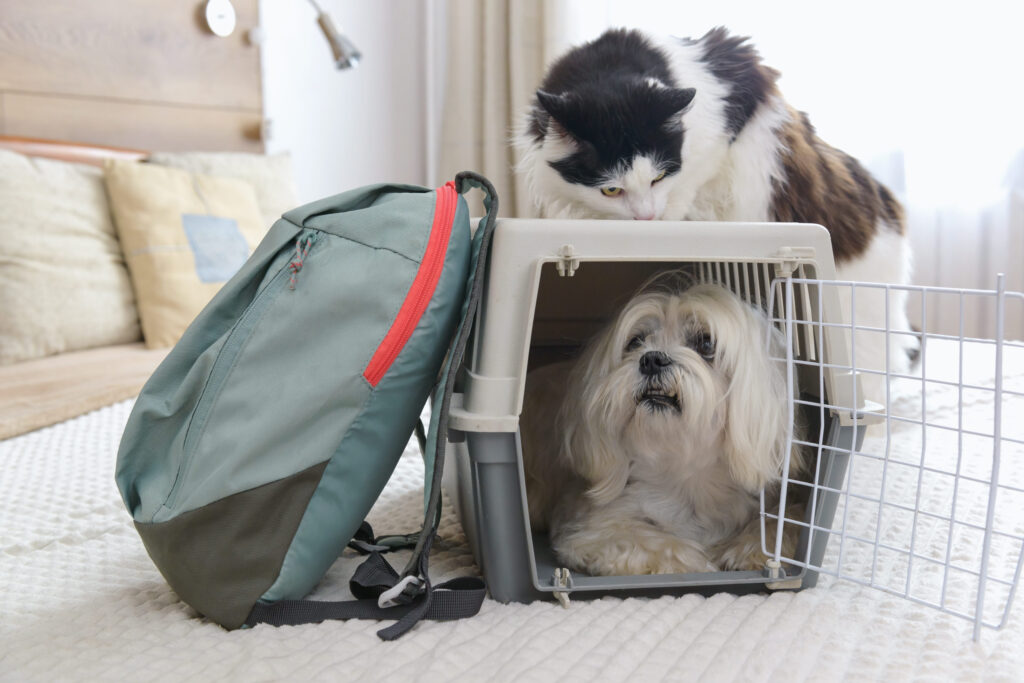
Create a safe zone by using a crate or a designated bed area. A dog must have a consistent personal space where they can have meals and enjoy treats. Encourage your dogs to relax in their safe zone daily. This bed conditioning creates a portable sense of security that would help your dog to adjust easily in a boarding environment.
3. Introduce Trial Boarding or Daycare Visits
Introduce trial boarding or daycare visit. You can spend half a day in day care, or you can leave your dog for overnight stays. Trial boarding removes the shock factor of full boarding and helps your dog adjust properly.
4. Use Scent Familiarity to Reduce Stress
You can use scent familiarity to reduce stress in your dog before hoarding. You should keep your worn shirt or item with your scent, keep regular bedding or a crate alongside favorite toys. These items serve as emotional anchors for your dog, helping them feel less isolated.
5. Maintain Consistent Daily Routines Before DropOff
Maintain consistent daily routines before dropoff. Make sure you avoid sudden lifestyle changes. A stable routine helps your dogs adapt to boarding effortlessly.
6. PreBoarding Exercise
A preboarding exercise for your dog will burn its energy before boarding. You should take your dog for a long walk or a play session on the day of drop off. This exercise will burn off dog energy, and a physically tired dog will remain calm and less reactive.
Dogs experience separation anxiety because they are not prepared for the change. They can handle this transition only when you work on gradual training, early exposure, and familiar cues.
What Actually Helps Dogs Stay Calm During Boarding?
Routine consistency, physical exercise, mental stimulation, supervised socialization, calming aids, and a low-stress environment help a dog stay calm during boarding.
Listed below are 5 methods that keep a dog calm during boarding.
- Routine Consistency: Dogs feel relaxed when they have a predictable routine every day during boarding. A predictable pattern of fixed feeding times, scheduled walks,m and consistent sleep periods helps them feel calm. Predictability reduces anxiety. Professional facilities like Highland Kennel follow a structured daily routine to help the dog settle quickly in an environment that is more controlled and less chaotic.
- Physical Exercise: Physical exercise reduces dog anxiety in a boarding facility. A dog with excess energy will bark excessively and show stress behavior. Exercises like supervised playtime, regular walks, and open movement areas help release excess energy and reduce anxiety.
- Mental Stimulation: Mental stimulation of the dog’s mind with puzzle toys, interactive games, and supervised social interaction prevents overthinking and panic. Mental engagement redirects focus from the owner’s absence to a positive environment that soothes a dog.
- Supervised Socialization: Supervised socialization of dogs with other dogs helps them to enjoy being with others. Boarding facilities provide a supervised socialization session to check how the dog responds to exposure. Not all dogs benefit from constant interaction, so supervised group play helps staff understand what is working for each dog. The purpose here is to keep the dog calm rather than overwhelm it. Staff supervise group play and make adjustments like increasing or decreasing play or sleep time.
- Low Stress Environment:A low-stress environment minimizes overstimulation so the dog adjusts to boarding faster, sleeps better, and feels more sedated. Environmental factors affect the anxiety level of a dog. A noisy environment makes your dog stressed. A low-stress environment has noise control, a ventilated space, and a comfy sleeping bed.
Boarding a Dog in NJ
How to Choose the Right Boarding Facility in NJ?
You can choose the right boarding facility in NJ for your dogs by focusing on features ( structured routines, supervised group play, staff experience, trial visit option, environmental design and red flags.
Listed below are 5 factors you need to consider while choosing the right NJ boarding facility that can handle your dog separation anxiety.
Features
You need to choose a boarding facility that focuses on features that reduce uncertainty and overstimulation. A facility must have trained staff who understand dog behavior and provide supervised group play and interaction. Boarding places must have flexible care plans that change as per your dog’s temperament.
They must provide structured daily routines like feeding, walks, and rest times. The best boarding facility for NJ pets is the one that offers a predictable environment, which is key to reducing separation anxiety in dogs.
Staff Experience
A boarding facility’s staff must be able to handle separate anxiety with basic care. You can talk to staff and ask them specific questions about stress signals and how they handle them. Ensure staff use controlled handling techniques to avoid panic. Experienced staff prevent anxiety and know when to adjust the care techniques, like more play time or less rest.
Trial Visit
Always choose a boarding facility that offers trial visits so your dog can spend half a day or overnight. Preboarding visits, short daycare sessions, and half-day trials help the dog to become familiar with the place before a full stay.
Environment design
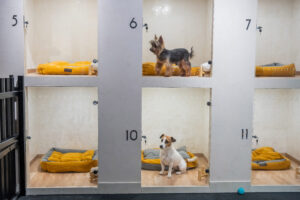
The physical setup of the boarding facility must include controlled play zones, separate quiet areas for dog rest, limited overcrowding, and noise management. An overcrowded space overstimulates your dog and worsens separation anxiety, and often leads to trauma.
Red flags.
Pay attention to red flags such as no option for a trial visit, a facility with constant loud barking, overcrowded areas, and a lack of supervision by staff. A facility with these red flags is not the best choice for your dog, especially if he is too dependent on you.
What is an example of the best Boarding Facility for your dog’s anxiety?
An example of the best boarding facility for your ‘sdog’s anxiety is a well-managed space that offers consistent routines, comfortable accommodations, and controlled interaction tailored to your dog’s needs and temperament. Highland Kennel emphasizes gradual adjustment, calm and gentle handling from experienced staff, and structured care. This approach helps dg adapt more naturally to a new boarding place instead of feeling overwhelmed.
FAQs
How can I reduce my dog’s anxiety before boarding?
You can reduce your anxiety before boarding by using trial daycare, a consistent routine, and short separation practice at home.
Is boarding stressful for all dogs?
Boarding is not stressful for all dogs. Some dogs adapt quickly, while other required time and structure until they feel relaxed.
How long does it take for a dog to adjust to boarding?
It takes a few hours to 3 days for a dog to adjust to boarding. This adjustment timeline varies from one dog to another.
What if my dog refuses to eat during boarding?
Provide familiar food and routine if your dog refuses to eat during boarding.
Can dogs develop trauma from boarding?
Yes, dogs can develop trauma from boarding if they go to a poorly managed facility with a high-stress environment and fewer familiar cues.
Should I sedate my dog before boarding?
No, you should not sedate your dog before boarding. Sedation is rarely needed and only when a vet recommends it, because it sometimes increases stress and confusion.
Are there alternatives if my dog can’t handle boarding?
Yes, there are alternatives like family care, in-home pet sitters, and short day sessions, if your dog can not handle boarding.
How do I know if I chose the right boarding facility?
You know that you chose the right boarding facility when your dog returns calm and has a normal eating and sleeping routine. Boarding staff also provides updates and feedback regarding your dog’s behavior.